
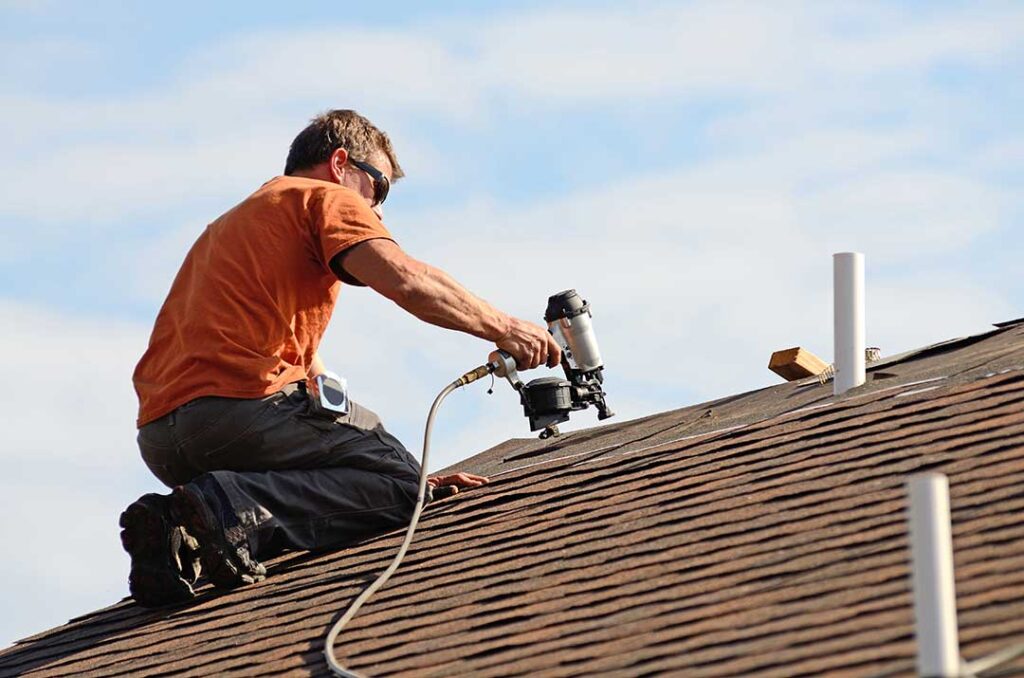
Why Do Small Roof Problems Become Big Expenses?
Even a minor roof leak or a few missing shingles can eventually lead to costly repairs if ignored. In Orchard Park, NY, harsh winters, lake effect snow, and seasonal rains mean that small vulnerabilities quickly get worse. Water finds weak points, freezes and thaws expand cracks, and animal pests may exploit damaged areas.
What might start as a slight water stain can grow into problems such as:
- Rotting wooden structures beneath the shingles
- Mold spreading within insulation or attic spaces
- Damage to interior ceilings, walls, and belongings
Preventative upkeep is much less expensive and disruptive than fixing the extensive damage resulting from neglect.
How Does Water Get In—And What Damage Can It Cause?
Moisture will penetrate any compromised part of a roof, including worn shingles, loose flashing, or blocked gutters. Once inside, water follows the path of least resistance. Over time, this can cause:
- Wood rot in rafters and roof decking, weakening the structure
- Insulation clumping and losing effectiveness, which increases heating and cooling costs
- Ceiling and wall stains; paint or plaster peeling
- Damp conditions that promote harmful mold growth
Many area homes have attics or crawl spaces, making hidden water damage a particular concern locally. Moisture may go unnoticed for months, leading to significant repairs or even structural hazards.
What Risks Does Mold Pose in Local Homes?
Mold thrives in damp, poorly ventilated areas—conditions often created by undetected roof leaks. Once established, mold can:
- Damage wood, drywall, and insulation
- Cause allergic reactions or respiratory issues in sensitive individuals
- Spread rapidly behind walls and ceiling panels
Orchard Park homes with limited attic access, unfinished basements, or older insulation are especially at risk because these environments are harder to monitor and dry out. Remediation is labor-intensive and costly, particularly when mold growth is widespread.
Can Roof Problems Affect Energy Bills?
A compromised roof may significantly increase utility costs. Gaps, damp insulation, and even minor leaks allow heated or cooled air to escape. In the colder months typical of the area, this strain on home heating systems can be substantial.
Residents might notice:
- Drafts or uneven temperatures in upstairs rooms
- Noticeable spikes in gas or electric bills in winter
- Ice dams forming on the roof—an indicator of insulation and ventilation problems which further damage shingles and gutters
Regular attention to even small roof issues helps keep homes comfortable and energy-efficient.
Does Delayed Repair Change Insurance Coverage?
Homeowners’ insurance typically covers damage from sudden, accidental events, not from long-term neglect. Insurers may deny claims if it appears that problems were worsened by lack of maintenance.
Some real-world examples:
- A claim for interior water damage could be denied if the adjuster sees evidence of long-term leakage or visible moss growth on shingles
- If mold spreads due to a missed repair, policies often exclude cleanup costs
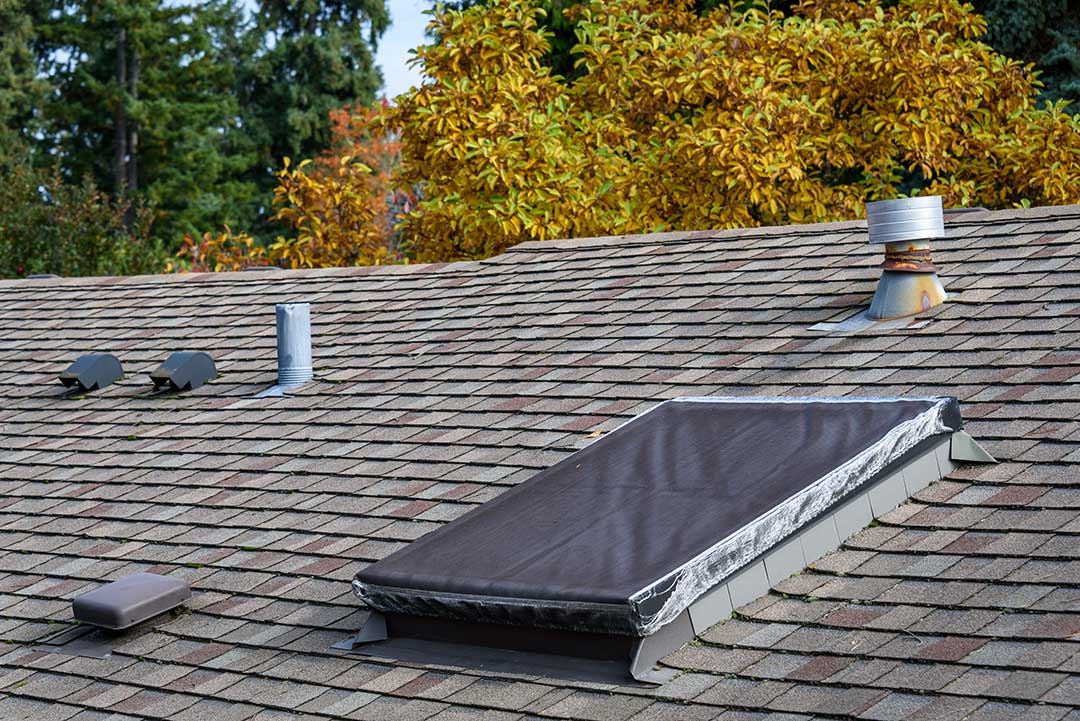
Residents should review their individual policy documents and consider taking photos or notes during routine roof checks for future reference.
What Are Signs That Roof Trouble Is Getting Worse?
Clear warning signs signal that an issue may need prompt attention:
- Water stains spreading on ceilings or walls
- Musty odors or visible mold in the attic
- New drafts or cold spots near the ceiling
- Sagging gutters or piles of granules beneath downspouts
- Missing or curling shingles, especially after strong windstorms
If these signs appear, it’s safer for homeowners to assess from the ground or view the attic from a safe distance, as wet or damaged roofs can be unstable.
Why Is Timely Action Especially Important in This Area?
Orchard Park’s heavy snow, rainstorms, and wide temperature swings put extra stress on residential roofs. Ice dams after snowstorms, wind-driven rain, and wet autumn leaves all challenge roof integrity. Minor problems escalate quickly because:
- Freeze/thaw cycles expand small leaks
- Pooled water from melting snow or rain backs up under shingles
- Local wildlife, including squirrels and birds, can enter through even small roof openings
A problem left all season often requires more than a patch job—sometimes entire sections must be rebuilt or replaced.
Are There Long-Term Consequences for Delaying Repairs?
Left unchecked, what starts as a small roof issue can shorten the overall lifespan of the roofing system and underlying structure. Over time, this means:
- Needing a full roof replacement years earlier than expected
- Decreasing the home's resale value due to visible water damage or required disclosure of known issues
- Roaches, rodents, or birds entering through wider roof gaps, creating new hazards and clean-up costs
Many local homeowners discover too late that what could have been handled with simple maintenance has become a major, costly disruption to daily life.
