
Why Does Fall Matter for Roof Care in Orchard Park, NY?
Fall presents ideal conditions for roof maintenance in Orchard Park, NY. The weather is generally mild, trees drop their leaves, and winter is just around the corner. Addressing roof upkeep during this transitional season helps prevent issues caused by snow, ice, and fluctuating temperatures that are common in the region.
A well-maintained roof is better positioned to handle the cycle of freeze and thaw seen throughout local winters. Investing attention in the fall can help avoid leaks, ice dam formation, and costly emergency repairs when conditions are less favorable.
What Should Homeowners Look for When Inspecting Their Roof in Fall?
Start with a simple visual inspection from the ground using binoculars if available. Look for:
- Missing, curled, or cracked shingles
- Moss or algae growth
- Accumulations of debris in valleys or behind chimneys
- Sagging areas
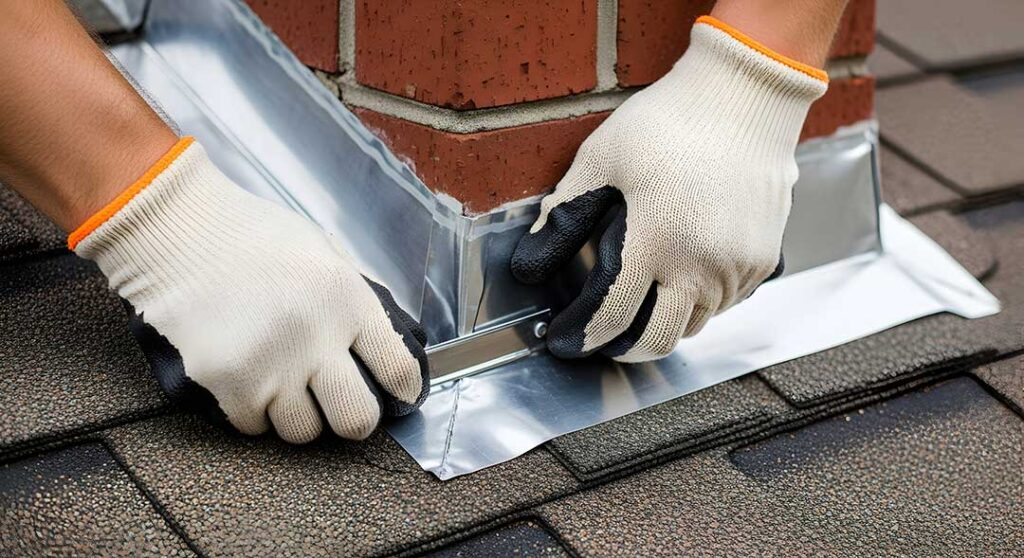
- Damaged or loose flashing around roof penetrations
Local homes often have architectural features like dormers or steep slopes, so take note of hard-to-see areas. Avoid walking on the roof, especially when shingles may be slick with dew or leaves.
Why Is Clearing Leaves and Debris Essential?
Leaves and twigs can quickly gather on roofs and in gutters in Orchard Park as trees prepare for winter. When left unchecked, this debris holds moisture against roofing materials, accelerating wear and fostering algae or mold. Clogged gutters can lead to water backing up under shingles or overflowing near your home’s foundation.
Rake or blow off roof valleys and clear out gutters and downspouts. Be cautious, as wet leaves can be slippery both on the roof and on the ground where ladders are set up.
How Should Moss or Algae Be Treated?
Moss and algae are common on shaded or north-facing roof slopes, especially in neighborhoods with mature trees. In the mild, damp autumns of the city, these organisms can thrive.
Address small patches by gently brushing with a soft broom, working down the slope to avoid lifting shingles. Avoid pressure washing, which may damage roofing. If growth is persistent, applying a specialized moss remover safe for roofing materials can help. Check product compatibility with your specific roof type before use. Never use bleach or harsh chemicals, as runoff can harm landscaping and nearby waterways.
Are Roof Repairs Safe to Complete in Fall?
Minor repairs like replacing a few shingles or resealing flashing can often be tackled in the fall. The cool, dry weather helps roofing materials seal well. However, safety is a primary concern. Avoid working on steep or slick roofs, and always use fall protection and a stable ladder.
For more extensive repairs or when the roof is steep, high, or severely damaged, err on the side of caution and consult guidance from official homeowner resources.
What About Attic and Ventilation Checks?
Heat loss and excess moisture during winter can create ice dams or condensation issues in attics. Take advantage of the fall season to check:
- Insulation coverage—insufficient insulation invites heat loss through the roof
- Vent outlets—make sure gable or ridge vents aren’t blocked by debris or insulation
- Signs of past leaks—look for stains or mold on roof decking inside the attic
Local homes with older attic spaces or complex rooflines may require particular attention, as airflow patterns can vary.
Are There Local Concerns Unique to Roof Maintenance in Orchard Park?
Orchard Park’s climate features significant lake-effect snow, strong winds in some neighborhoods, and the presence of many mature maple, oak, and pine trees. Residents should be mindful of:
- Heavy leaf drop in certain neighborhoods, requiring multiple cleanings
- Pine needles that collect in shingle overlaps, holding moisture and forming miniature dams
- Wind-driven rain working under loose flashing around dormers, chimneys, or skylights
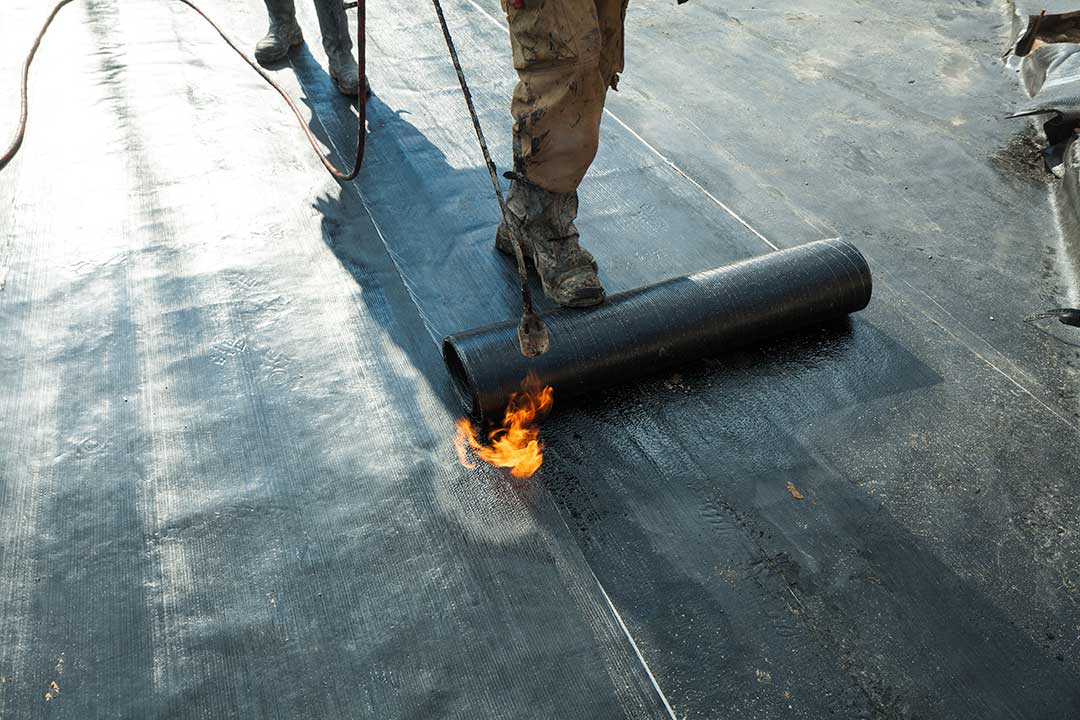
Proactively addressing these factors in the fall helps area roofs resist damage when exposed to storms and accumulating snow.
Should Overhanging Branches Be Trimmed?
Branches that hang over roofs provide a steady supply of leaves and increase the risk of damage from falling limbs during winter storms. Early fall is often a good time to safely trim branches back at least three to six feet from the roofline. This practice improves sun exposure (discouraging moss) and reduces debris.
Check with local authorities beforehand if you live in an area with specific tree maintenance ordinances or protected species.
What Common Misconceptions Should Residents Avoid?
Some believe gutters only need cleaning once a year, but in neighborhoods with heavy tree cover, multiple cleanings each fall may be required. Another misconception is that slight curling or granule loss on shingles is harmless; in fact, these are early signs of wear that can shorten the roof’s lifespan, especially before a wet, icy winter.
Additionally, not all stains on a ceiling or attic are due to active leaks; some are caused by condensation issues linked to inadequate ventilation.
How Can Roof Maintenance Help Prevent Ice Dams?
Ice dams form when warm air from inside melts snow on the roof, which then refreezes at the eaves. Key fall maintenance steps for local homes include:
- Ensuring gutters are clear so melting snow can drain freely
- Checking that attic insulation covers the entire roof perimeter, reducing uneven melting
- Confirming ventilation allows cold air to circulate and maintain a uniform roof temperature
By tackling these issues before winter, households in Orchard Park minimize their risk of ice dam-related leaks and damage.
Are There Roof Maintenance Tasks That Should Be Avoided?
Avoid using harsh chemicals, wire brushes, or power washers, which can strip protective granules from shingles or damage older roofing. Don’t patch over obvious signs of major damage without investigating underlying causes. Limit walking on the roof unless necessary, as many shingle types become more brittle in cooler fall weather.
If in doubt about a repair’s complexity or roof safety, area residents are encouraged to seek reliable information from trusted municipal or home improvement resources.
