
What is the First Step After Noticing a Leak?
The most immediate action for area homeowners who spot a leak should be to minimize water damage inside living spaces. Quick, calm response reduces the risk of costly interior repairs.
If water is actively dripping or pooling:
- Place containers—like buckets or large bowls—under leaks to collect water.
- Move furniture, electronics, and valuables away from the drip area.
- If possible, gently puncture any “bulges” in ceiling paint with a small nail or screwdriver tip to let water drain into a container; this can prevent ceiling collapse.
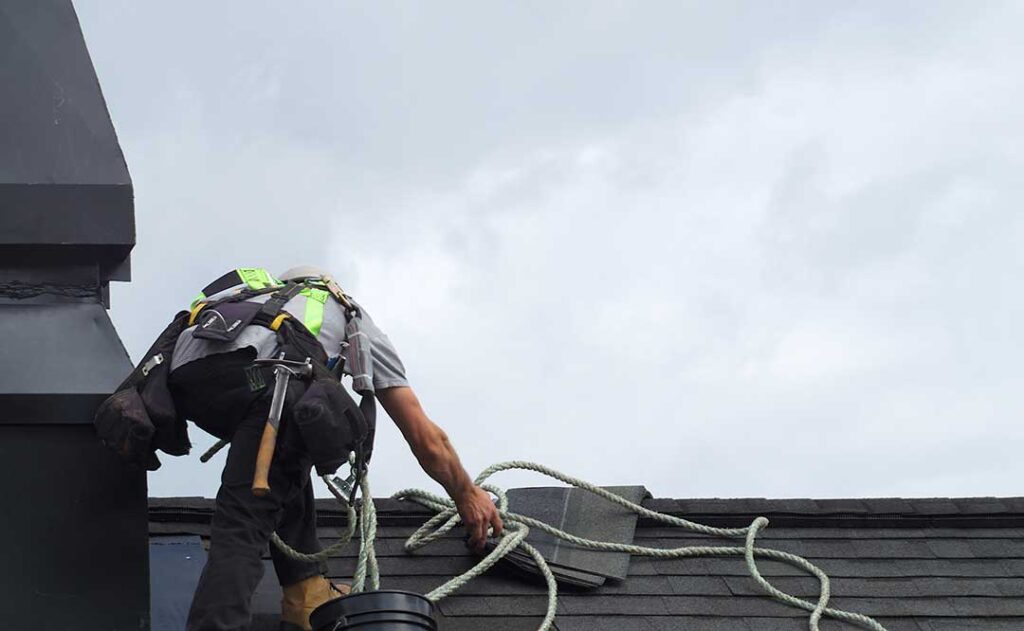
Avoid climbing onto your roof in wet or stormy conditions. Wet asphalt shingles and icy surfaces common during colder months in Orchard Park can be highly dangerous.
What Causes Most Leaks in Orchard Park Roofs?
Common roof leaks in Orchard Park often result from harsh seasonal changes and typical wear or storm impact. Some prevalent causes include:
- Ice damming—snow and cold spells can lead to backed-up moisture under shingles.
- Lifted, cracked, or missing shingles from strong wind gusts.
- Worn, cracked, or loose flashing around chimneys, vents, and skylights.
- Broken or clogged gutters causing water to pool along the roof edge.
Older homes that characterize many Orchard Park neighborhoods are especially prone to these issues due to aging materials. Timely checks after snowstorms, thaws, and windy periods help catch problems before leaks escalate.
How Can Residents Tell Where the Leak Began?
Many assume leaks start directly above the wet spot, but water can travel down beams and surfaces before appearing indoors.
To investigate safely from indoors:
- Trace stains or damp spots back as far as possible—upward and toward exterior walls.
- Inspect attic spaces (if accessible and safe). Look for darkened wood, soggy insulation, or small drips while it’s raining.
- Note if leaks are worse during or shortly after rainfall, heavy snowmelt, or wind-driven storms—a clue to their origin.
If it’s not immediately clear, photograph the leak area and conditions; these details make it easier if future inspections are needed.
Can Temporary Repairs Help Until Conditions Improve?
Temporary fixes can slow the spread of water but almost never solve the underlying issue. In Orchard Park, cold temperatures and precipitation may make lasting repairs impossible until weather improves.
Short-term steps:
- Spread a waterproof tarp over suspected trouble spots in the attic to divert water into safe containers.
- Reinforce vulnerable exterior areas with duct tape or roofing tape only if safe to do so from a window or ladder when weather is dry and mild.
- For exterior leaks along gutters, check for and clear obstructions—leaves, branches, or ice dams—in reachable sections.
Never attempt rooftop repairs during icy or wet conditions, as falls are a leading source of serious injury in the region.
Is Professional Help Always Necessary?
For small leaks from obvious minor damage (like a single missing shingle visible from the ground), some residents make temporary repairs using matching shingle patches, roofing cement, or caulk if comfortable doing so.

Immediate external intervention becomes necessary:
- When ceiling or roof surfaces show widespread sagging or collapse.
- If there is mold growth or signs of structural instability in the attic.
- For any roof with steep pitch, multi-story height, or active power lines nearby.
Especially after severe wind, heavy snow loads, or repeated leaks, city residents may need to reference municipal safety guidelines or building code requirements that restrict certain repairs to ensure community safety and compliance.
What Homeowner Mistakes Can Make Leaks Worse?
Unintentional errors can compound damage over time. Common issues include:
- Ignoring small leaks, assuming “it will dry out”—repeated moisture accelerates structural rot and mold.
- Applying large amounts of caulk or roof cement to interior surfaces instead of addressing exterior damage.
- Forgetting to check for leaks after heavy rainstorms or deep winter thaws.
- Not documenting damages with photos—written and visual records help with home insurance, particularly for sudden weather events.
Using household fans or running a dehumidifier in damp rooms can help reduce moisture spread after a leak, but thorough drying and inspection are essential.
How Can Residents Reduce the Risk of Future Leaks?
Practical, preventive habits go a long way:
- Check your attic and upper level ceilings for water marks at least once a season.
- Inspect gutters and downspouts each spring and fall; clean out leaves, branches, and ice.
- Confirm that roof vents and flashing remain firmly attached, especially after storms or heavy snow.
- If doing exterior yardwork, avoid placing ladders against eaves or roofing materials, which can break seals or shift shingles.
By understanding local climate patterns and typical home construction, area residents can catch many emerging leak issues early, reducing costly repairs and structural risks.
