
What Is Roof Underlayment and Why Does It Matter?
Roof underlayment is a protective layer installed between the roof deck (the wood base) and the roof shingles. Its main role is to provide a secondary barrier against water, ice, and wind-driven rain. For area households, this layer plays a vital role in preventing leaks and extending the life of the roof, especially in climates with heavy snowfall, freeze-thaw cycles, and seasonal storms.
Many residents assume shingles alone are enough, but underlayment adds critical protection—especially during harsh winters or storms when shingles may be breached or blown off temporarily.
What Types of Roof Underlayment Are Used in Orchard Park?
Three primary types of underlayment are common:
- Asphalt-saturated felt (often called “felt paper” or “tar paper”): The traditional choice, offering a water-resistant barrier. It's widely used for both new installations and repairs.
- Synthetic underlayment: Made of plastic polymers, it resists tearing and offers superior longevity compared to felt. Many new builds and replacements in the community prefer this option for its durability.
- Rubberized asphalt (peel-and-stick): A premium, waterproof option with adhesive backing. It’s often placed along eaves, valleys, and other vulnerable spots, especially on roofs with a low pitch or in areas prone to ice dams.
In practice, most local roofs have a combination—synthetic or felt under the main field, and peel-and-stick underlayment at critical leak-prone areas.
Does Underlayment Really Help With Snow and Ice?
Yes. Underlayment is especially important in Orchard Park, where winter brings significant snow loads and frequent freeze-thaw cycles. When snow melts on a warm roof and refreezes at the eaves, it can create ice dams that push water under the shingles. A high-quality underlayment barrier helps block this water, preventing it from seeping through the roof deck into the attic or living space below.
Using an ice and water shield (a form of rubberized underlayment) along the edges, valleys, and around roof penetrations is a common best practice for local homes.
How Is Underlayment Installed?
Installation begins after the roof decking is secured and clean:
- Install drip edge flashing at the eaves.
- Roll out underlayment horizontally, starting at the bottom edge.
- Overlap each row per manufacturer guidelines (typically 2–4 inches).
- Secure with roofing nails or cap fasteners, ensuring the material lies flat.
- Add additional peel-and-stick underlayment to valleys, around chimneys, skylights, and along eaves susceptible to ice dams.
- Top edge drip edge flashing is installed over the underlayment at the roof’s rakes.
Slope, roof complexity, and climate risks affect how much and what type gets installed. Following regional building codes is important, as the area is within a snow zone requiring robust waterproofing methods.
How Long Does Roof Underlayment Last?
Lifespan varies by type and environment:
- Felt: Typically 10–20 years, though it may degrade faster if exposed to moisture or if shingles are damaged.
- Synthetic: Can last up to 30 years or more, better resisting humidity and heat.
- Peel-and-stick: Offers long-lasting waterproofing, often matching or exceeding the lifespan of the roof itself.
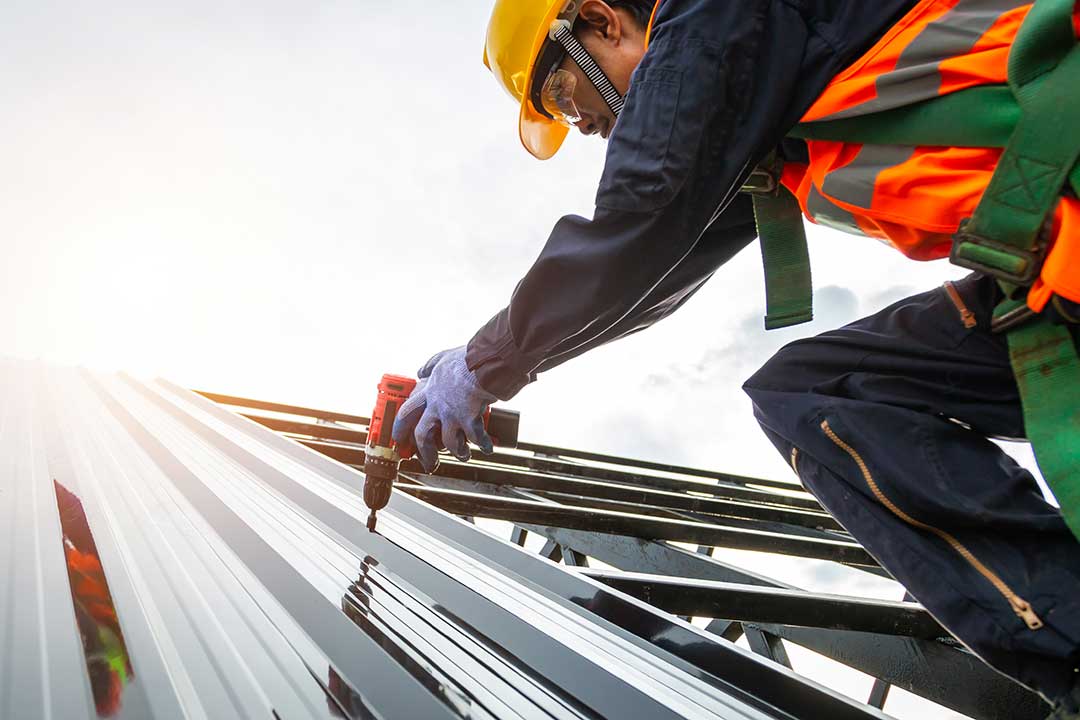
Underlayment typically isn't directly exposed to sunlight or weather unless shingles are missing, so in most Orchard Park roofs, it lasts until a full roof replacement is needed. Maintenance checks after major storms are wise to ensure it hasn't been exposed or compromised.
What Common Misconceptions Exist About Roof Underlayment?
Several mistaken ideas or overlooked details can affect a roof’s long-term reliability:
- Some believe underlayment is optional; in reality, it’s required by building codes due to its protective function.
- Underlayment does not replace the need for careful shingle installation or adequate attic ventilation.
- No underlayment is fully waterproof if left exposed for long periods—prompt shingle installation is necessary.
- Peel-and-stick should not cover the entire roof unless recommended, as improper use can reduce breathability and increase moisture buildup beneath the roof deck.
Are There Local Considerations for Roof Underlayment?
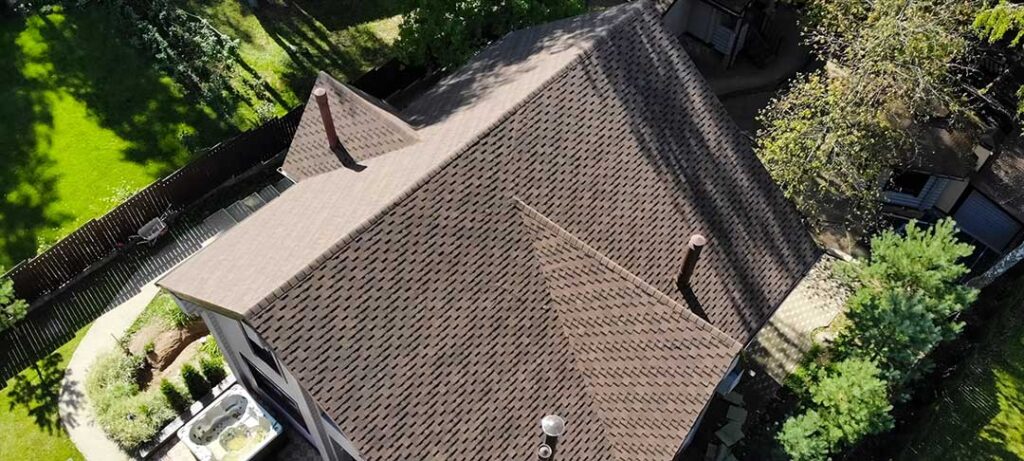
Orchard Park’s variable weather—including strong wind gusts, sleet, and heavy, wet snow—demands careful attention to roof protection layers. Local homes often have gable or hip roof styles, and most are subject to northern climate building codes that dictate specific underlayment placement near eaves and valleys, where leaks can form during spring thaws.
Homeowners planning new roofs or repairs should be aware of these regulations to ensure that replacement projects are code-compliant and equipped for seasonal changes. Regular inspections each spring and after storm events can help spot any failures early, especially if shingles have blown off, exposing the underlayment beneath.
Signs of Underlayment Trouble
Some signs may indicate problems with this layer:
- Water stains or leaks in the attic or along upper-level ceiling edges may suggest underlayment failure beneath missing or damaged shingles.
- Wavy or buckling shingles can indicate underlying moisture issues.
- Roof repairs or past shingle blow-offs may have left underlayment damaged or exposed.
Residents can safely check their attics for signs of moisture, but for roof-level inspection or repairs, especially during or after storm damage, safety precautions should always be a priority.
