
What Do Skylights Change About a Roof’s Structure?
Installing skylights alters a roof by introducing carefully sealed openings and modifying the roof’s framing. This adjustment is necessary to fit the skylight and support its weight.
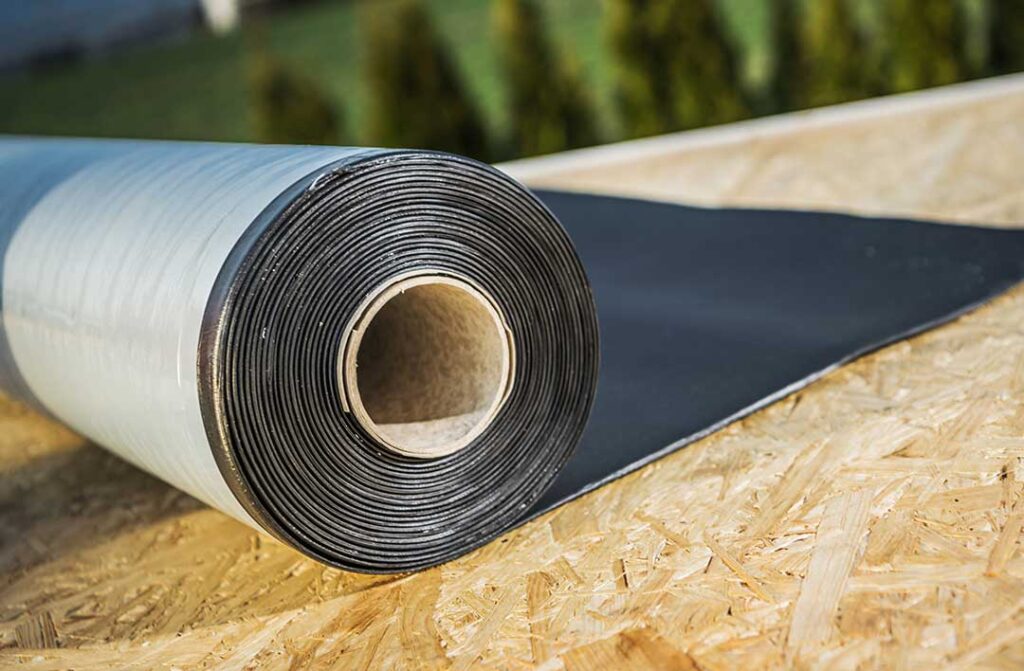
In Orchard Park, the majority of homes feature sloped, shingled roofs designed for local weather conditions. Adding a skylight means some roofing materials and wooden supports (rafters or trusses) are cut to create an opening. Roofing contractors must install extra framing, often referred to as a “cricket” or “header,” which redistributes the load and maintains the roof’s strength. If installed according to best practices, a skylight shouldn’t weaken the overall structure, but poorly planned changes can create weak points or lead to leaks.
How Do Skylights Influence Roof Ventilation and Insulation?
Skylights can improve natural ventilation if they include vents or the ability to open. In Orchard Park, this helps dissipate heat during warmer months and can reduce reliance on air conditioning. However, skylights can also become a source of heat loss or gain.
The insulation quality around a skylight matters, especially during Orchard Park’s cold winters. Improper installation or poor insulation can allow cold air to leak inside or let warm air escape, increasing heating costs. Many modern skylights come with energy-efficient glazing options, such as double- or triple-pane glass, to better insulate the home. Homeowners interested in reducing energy transfer should look for skylights specifically rated for cold weather climates.
Are Skylights More Prone to Leaks Than Other Parts of the Roof?
Skylights can be a source of leaks if not installed and maintained carefully. Water intrusion most often occurs around the edges, where the skylight is sealed to the roof.
Orchard Park experiences heavy rain, snow, and freeze-thaw cycles, putting added stress on roof seals. Flashing (the metal or rubber material embedded at the base of the skylight) is crucial for keeping water out. Well-installed flashing directs water away from vulnerable areas, but it can degrade over time, especially if snow and ice accumulate above the skylight. Seasonal inspections, particularly after winter, are useful to catch signs of failed seals or ice damming—when melting snow refreezes at the skylight edge, preventing proper drainage.
How Do Skylights Affect Roof Repairs and Maintenance?
Skylights require additional attention during roof repairs because they disrupt standard roofing patterns and materials near the opening.
When it’s time to replace shingles, clean gutters, or remove ice dams, workers need to handle the skylight’s immediate area with care. The flashing, seals, and glass can be more delicate than the surrounding roof. Any work involving roof replacement must account for re-sealing or potentially replacing the skylight’s flashing. If leaks develop around a skylight, fixing the issue is often more complex than repairing a straightforward shingle problem.
What Are Misconceptions About Skylight Installation and Longevity?
It’s commonly believed that any skylight will always lead to leaks or dramatically reduce roof lifespan. In reality, well-made skylights with proper installation hold up well in Orchard Park’s conditions.
Skylights can last decades if made from durable materials, flashed correctly, and fitted with insulated glass. Leaks and condensation are less likely with advanced skylight products designed for the region’s snow loads and temperature swings. Most failures stem not from the skylight itself but from rushing the installation, cutting corners on flashing, or skipping regular maintenance.
Another misconception is that skylights are “set and forget.” Periodic inspection for cracks, clouding, or sealant wear is essential, especially before and after heavy winters.
How Do Local Weather Patterns Affect the Decision to Install a Skylight?
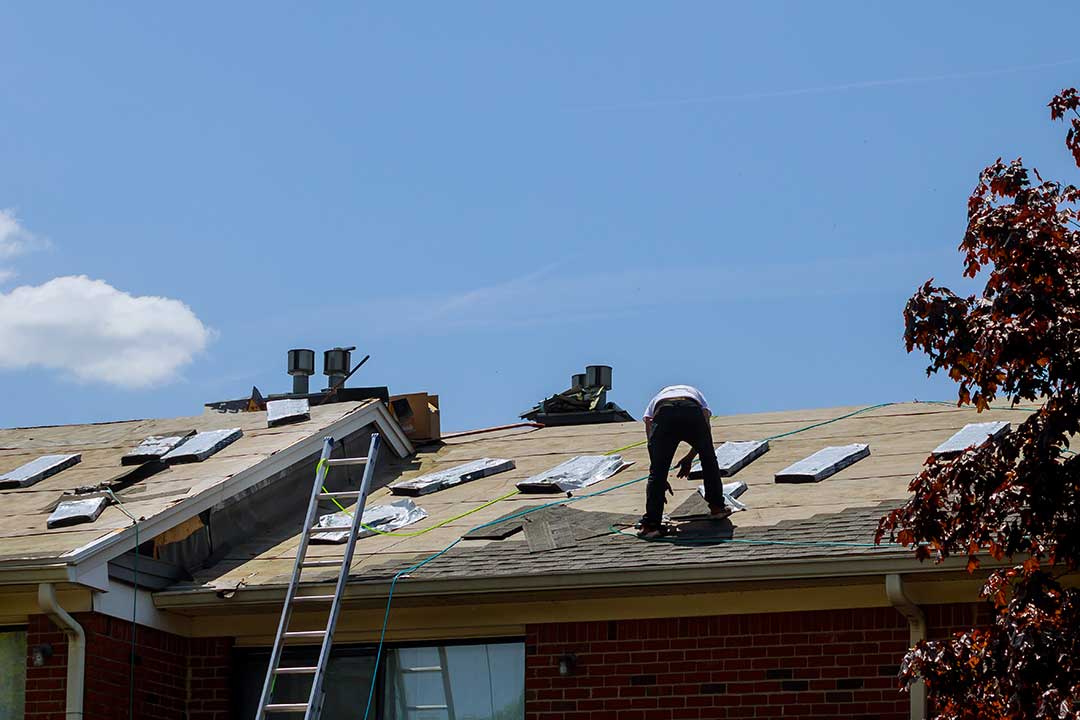
Homes in Orchard Park face freezing temperatures, heavy snowfall, and occasional wind-driven rain, which all affect roof performance. These conditions can test a skylight’s seals and flashing in ways not seen in milder climates.
The snow load—the weight of sitting snow—presses on glass surfaces. High-quality skylights are built for this, but older models or basic units may not be. Wind can also drive rain under poorly fastened flashing. It’s important for local residents to select skylights and installation techniques proven to perform in similar regional climates.
In milder months, skylights can add comfort and reduce lighting costs. During the winter, however, condensation buildup can become an issue if interior humidity isn’t controlled, sometimes leading to moisture dripping inside. Choosing skylights with built-in insulation and considering additional attic ventilation can help manage these seasonal changes.
What Should Homeowners Consider for Long-Term Roof Health?
Living with a skylight means committing to extra inspection and seasonal care. Residents considering installation or already living with a skylight should:
- Check the skylight and surrounding shingles for damage after severe weather.
- Remove heavy snow from around skylight edges if safe to do so.
- Address interior condensation to prevent mold or rot.
- Ensure attic ventilation is adequate, as poor airflow can make skylights more prone to condensation and ice damming.
For most homes in Orchard Park, skylights are a manageable addition if installed with deliberate attention to local climate stresses and maintained appropriately.
