
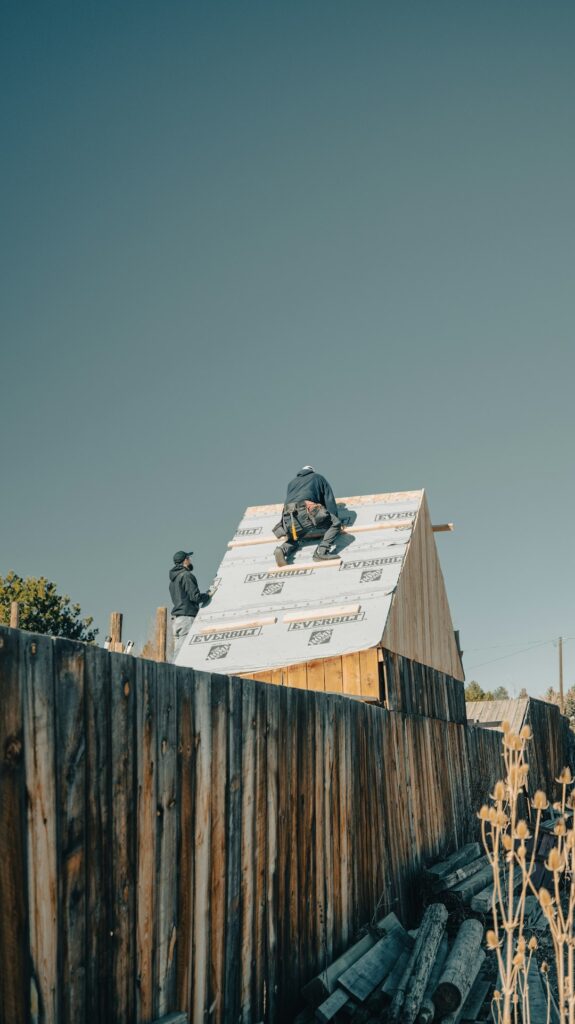
How often should a roof be inspected?
Most homes benefit from a roof inspection at least once a year, with an additional inspection after a major storm or unusual weather event. For households in Orchard Park, the most useful timing is usually late spring or early summer, after the roof has gone through snow, ice, wind, and repeated freeze-thaw cycles.
An annual inspection does not always mean the roof needs repairs. Its purpose is to identify small problems before they become interior leaks, structural damage, or premature roof replacement.
A roof may also need an inspection when:
- The roof is more than 10 years old
- Shingles are curling, cracked, loose, or missing
- Water stains appear on ceilings or walls
- Gutters contain large amounts of shingle granules
- A tree branch has struck the roof
- Strong winds, hail, heavy snow, or ice have affected the home
- The home is being bought, sold, or prepared for major renovation
Why is late spring a useful time for a roof inspection?
Late spring provides a clearer view of winter-related wear. Snow and ice can conceal damaged shingles, lifted flashing, blocked drainage paths, and areas where water may have entered beneath the roof covering.
The regional climate brings cold winters, lake-effect snow, strong wind events, and frequent temperature changes. Those conditions can stress roofing materials in several ways:
- Ice and snow add weight to roof surfaces and gutters
- Freeze-thaw cycles can widen small cracks
- Wind can loosen shingles or expose roof edges
- Melting snow can reveal weak areas around chimneys, skylights, and valleys
- Ice buildup near eaves can interfere with drainage
An inspection in late spring allows problems to be identified before the wetter portions of summer and the next cold season arrive.
Should a roof be inspected before winter?
A pre-winter inspection can be useful, particularly for older roofs or homes that had problems during the previous winter. Early fall is generally a practical time to check the roof, gutters, attic ventilation, and flashing before snow and ice make access more difficult.
This inspection should look for:
- Shingles that have become brittle or loose
- Open seams around roof penetrations
- Damaged or rusted flashing
- Sagging areas
- Clogged gutters and downspouts
- Moss or organic growth holding moisture against the roof
- Signs of poor attic ventilation or excessive condensation
A fall inspection is especially sensible if the roof has not been evaluated since the previous winter. It can also identify maintenance issues that may become harder to address once snow, frozen ground, or shorter daylight hours limit safe access.
When is a post-storm inspection necessary?
A roof should be checked after any storm that may have caused damage, even if there is no visible leak inside the home. Some damage is subtle and may not produce water stains until the next period of rain or melting snow.
An inspection is particularly reasonable after:
- High winds
- Hail
- Heavy or drifting snow
- Ice accumulation
- A nearby lightning strike
- A fallen branch or tree
- Wind-driven rain
- Severe temperature changes following a storm
From the ground, residents can look for missing shingles, exposed underlayment, bent metal, displaced ridge caps, fallen debris, or unusually large amounts of roofing material in the yard. These observations can help identify a concern, but climbing onto a wet, icy, or steep roof creates a serious fall risk.
If water is entering the home, place containers beneath active drips, move furniture away from the affected area, and document visible damage with photographs. Temporary protection may be needed to limit further damage, but electrical hazards, structural instability, and unsafe roof conditions should be treated cautiously.
What signs mean an inspection should happen sooner?
Certain warning signs should not wait for the normal annual inspection. A roof inspection is more urgent when the home shows evidence that water or wind may already be getting past the roof covering.
Watch for:
- Brown, yellow, or spreading ceiling stains
- Damp insulation or musty attic odors
- Peeling paint near ceilings or upper walls
- Dripping around chimneys, skylights, or attic vents
- Daylight visible through the roof deck
- Shingles found in the yard or gutter
- Sagging roof lines
- Granules collecting near downspouts
- Gutter sections pulling away from the house
- Repeated leaks in the same area

A ceiling stain does not always appear directly below the source of the leak. Water can travel along rafters, roof decking, insulation, or framing before becoming visible indoors. For that reason, the visible mark may be several feet away from the actual roof problem.
Does a newer roof still need inspections?
Yes. A newer roof is less likely to have age-related deterioration, but it can still be damaged by weather, falling branches, animals, installation problems, or blocked drainage.
Newer roofs should be inspected after a significant storm and during normal home maintenance. An inspection can also confirm that flashing, roof penetrations, ventilation components, and drainage systems are performing properly.
The roof covering is only one part of the system. A roof may appear intact while water is entering around a chimney, plumbing vent, dormer, skylight, or wall intersection.
How does roof age affect inspection timing?
Roof age should influence how often the condition is reviewed. As roofing materials approach the later portion of their expected service life, small defects become more likely and may progress faster.
Older roofs may benefit from inspections:
- Every year, even when no leak is present
- After severe weather
- Before buying or selling a home
- Before installing equipment or making roof penetrations
- Before winter if previous snow or ice caused problems
Age alone does not determine whether a roof is sound. Ventilation, installation quality, exposure to wind, tree cover, maintenance history, and the condition of flashing all matter.
What should homeowners check from the ground?
A ground-level review can be performed safely with binoculars or from an upper window. It should supplement, not replace, a closer evaluation when warning signs are present.
Look for uneven roof lines, missing shingles, exposed fasteners, damaged metal, clogged valleys, heavy moss, and gutters filled with granules. Also check attic areas for damp wood, mold-like odors, compressed insulation, or water marks.
Do not walk on a roof covered with snow, ice, moss, or rain. Even a roof that appears gently sloped can be slippery, and damage may make the surface less stable than it looks.
What is the simplest inspection schedule?
For many households, the following schedule is practical:
- Late spring or early summer: Check for winter and freeze-thaw damage.
- Early fall: Confirm that the roof and drainage system are ready for colder weather.
- After severe weather: Look for storm-related damage once conditions are safe.
- Any time a warning sign appears: Do not wait for the next seasonal check.
This schedule is a starting point rather than a rigid rule. Homes with mature trees, older roofing, recurring ice buildup, previous leaks, or complicated roof designs may need more frequent attention.
The most valuable inspection is usually the one performed before a small defect becomes an active leak. For residents in Orchard Park, planning checks around the region’s winter conditions and seasonal transitions provides a practical way to monitor the roof throughout the year.
