

What Is Roof Flashing?
Roof flashing is a thin material, commonly metal, installed at joints, edges, and transitions on a roof to direct water away from critical areas. Its main role is to prevent leaks by sealing around places where the roof surface meets other structures, such as chimneys, vent pipes, skylights, and valleys. By creating a watertight barrier, flashing helps protect the underlying roofing materials and even interior spaces from moisture problems.
In Orchard Park, NY, where winters can be harsh and spring rains heavy, properly installed flashing is essential for keeping homes dry and structurally sound.
Why Does Flashing Matter in Our Climate?
Flashing is particularly important in the Orchard Park area due to the region’s seasonal weather extremes. Snow, ice, and heavy rains increase the risk of water finding its way into gaps and seams on a roof. Melting snow and ice dams are common challenges, allowing water to pool on the roof and seep into vulnerable spots.
If flashing is missing or faulty, water can cause:
- Rotting wood or roof decking
- Mold growth inside attics or walls
- Staining and peeling paint
- Damaged insulation
- Costly structural repairs
Because local homes often experience freeze-thaw cycles, even tiny water leaks can quickly turn into sizeable issues when they expand with ice.
Where Is Flashing Installed and How Does It Work?
Flashing is used wherever two different building materials meet or where the roof surface changes direction. The primary locations include:
- Chimneys: Metal strips wrap around the base where brick meets roofing.
- Skylights: Flashing is formed around skylight edges to shed water.
- Vent pipes: Protective collars keep rain out where pipes exit the roof.
- Valleys: Long pieces run down valleys, where two roof slopes join.
- Roof edges and eaves: Drip edge flashing prevents water from getting under shingles at the roof’s edge.
- Sidewalls and dormers: Flashing bridges gaps between the roof and vertical walls.
These details might seem small, but they are crucial. Flashing often overlaps with shingles or siding, creating a layered barrier that channels water away from seams and into gutters.
Locally, many older homes feature custom-bent metal flashing, while newer construction may use factory-formed aluminum or galvanized steel. Regardless of material, the principle is the same: direct water away from vulnerable areas.
What Kinds of Flashing Materials Are Used?
Several materials are commonly found in flashing installations in Orchard Park homes:
- Galvanized steel: Durable and resistant to corrosion, often painted for extra protection.
- Aluminum: Lightweight, easy to shape, but can react with some roofing materials.
- Copper: Common in higher-end or historic homes, valued for longevity and appearance.
- Rubber or plastic: Sometimes used around vent pipes, though less durable in freeze-thaw climates.
Each has pros and cons, but weather resistance and proper installation matter most. Materials should match the area’s weather patterns—long-lasting options are preferred given the winter snow load and heavy rainfalls.
How Can Residents Spot Flashing Problems?
Most homeowners notice flashing problems only after a leak appears indoors. However, earlier signs may include:
- Rust or discoloration near chimneys or vent pipes
- Loose or missing sections of flashing visible from the ground
- Water stains on ceilings or upper walls after snowmelt or rain
- Pieces of metal found in gutters or around the home’s foundation
- Moss or heavy debris clogging roof valleys, trapping moisture
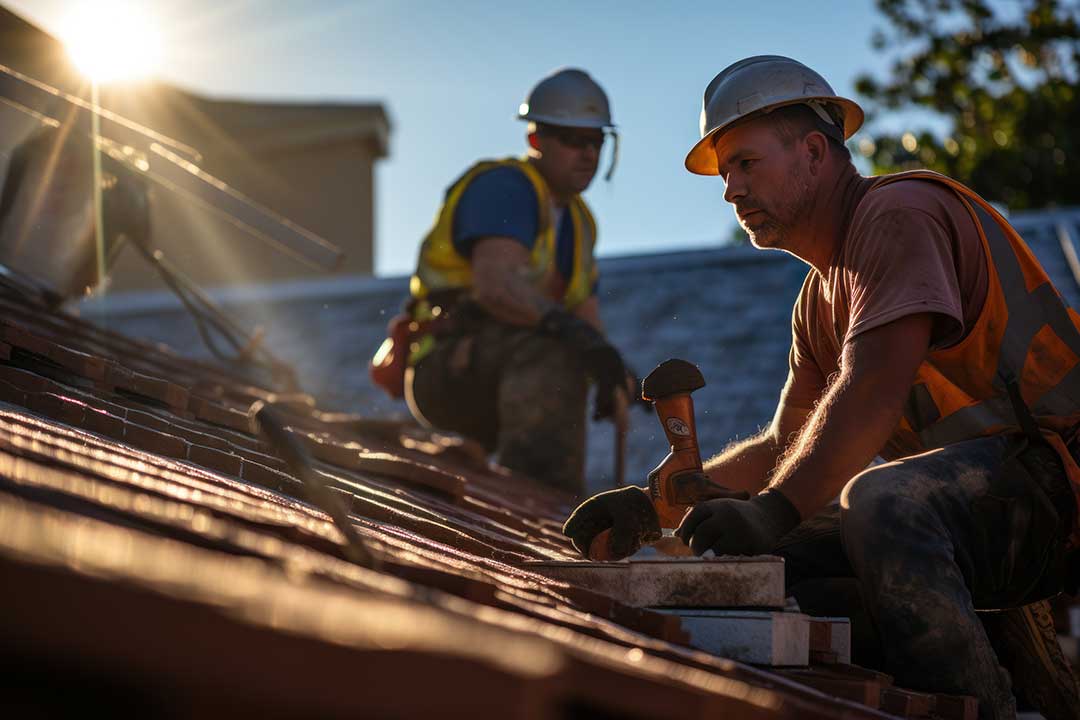
Ice damming in winter or visible damage after a hailstorm may also indicate that flashing should be inspected. In older Orchard Park homes, flashing may have deteriorated or been installed to older standards that don't perform as well by today’s requirements.
What Are Common Flashing Mistakes or Misconceptions?
A frequent misconception is that shingles or roofing membranes alone keep water out—when, in reality, flashing handles much of this job at joints and penetrations. Common mistakes on local roofs include:
- Caulking over flashing instead of replacing it (caulk fails with time, especially outside)
- Over-relying on tar or roof cement, which can crack in cold weather
- Shortcuts in repairs, sometimes leaving out flashing where it’s hard to see
- Mixing incompatible metals, causing corrosion
- Covering old flashing with new shingles but not addressing gaps underneath
Regularly checking all roof transitions, rather than assuming lack of current leaks means everything is sound, helps avoid surprises.
Is Flashing Maintenance Needed in Orchard Park?
Flashing requires periodic inspection and, occasionally, maintenance—especially after major storms, heavy snowfall, or home repairs like chimney rebuilds or new siding. In the local climate, seasonal temperature swings and freeze-thaw cycles can loosen fasteners or shift materials, creating gaps.
Tasks that can help extend the life of roof flashing include:
- Cleaning debris from valleys, gutters, and roof edges in spring and fall
- Checking for rust, gaps, or movement at all metal joints
- Inspecting around chimneys and skylights annually
- Watching for leaks indoors, especially after snow melts
Homeowners who safely access their own roofs can often spot visible issues, but for multi-story roofs or steep pitches, professional inspections may be a safer choice due to fall risk.
What Should Homeowners Consider for New Installations or Repairs?
When repairing or replacing roofs, residents should ensure flashing is addressed—not just shingles or underlayment. Local building codes typically require flashing at all roof-wall intersections, chimneys, and penetrations. In some areas, ice and water shields are also used beneath flashing for added protection, especially on lower roof slopes.
As a general rule, reusing old flashing is not recommended if there’s any sign of corrosion, cracking, or poor fit. The upfront cost of new flashing is minor compared to the potential cost of future leaks.
For homes with unusual rooflines, additions, or older construction methods, consulting local building guidelines or seeking expertise can ensure that flashing details are appropriate to the home’s style and the region’s climate.
