
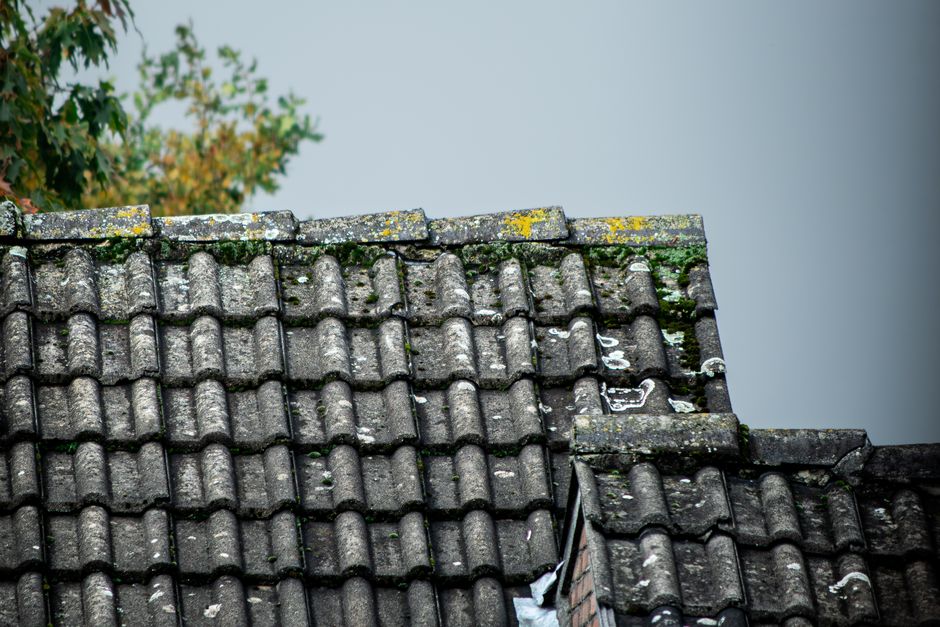
Moss and algae growth is common on roofs that stay damp, shaded, or poorly ventilated. In Orchard Park, NY, wet weather, snow, tree cover, and limited winter sunlight can create conditions where roof surfaces remain moist long enough for biological growth to establish.
Moss and algae are not the same problem, and the right response depends on what is growing, how extensive it is, and whether the roof covering has already been damaged.
How can moss and algae affect a roof?
Moss can hold moisture against shingles and may lift or separate their edges as it grows beneath them. That creates pathways for water to move under the roofing material, especially during heavy rain, melting snow, and freeze-thaw cycles.
Algae usually appears as dark green, gray, or black streaks. It is often more of a cosmetic concern than an immediate structural threat, but persistent moisture and surface buildup can contribute to premature aging. Heavy algae growth may also make it harder to see other roof problems, such as cracked sealant, missing shingles, or areas where granules have worn away.
Neither moss nor algae automatically means the roof needs replacement. A roof with light staining and intact shingles may only need careful cleaning and improved moisture control. A roof with lifted shingles, decay, or repeated leaks requires a more detailed evaluation.
What causes moss and algae growth?
The main cause is prolonged dampness. Several conditions can contribute:
- Dense tree branches that shade the roof and drop leaves or needles
- Gutters or valleys that hold organic debris
- Poor roof ventilation that slows drying
- Roof slopes facing away from direct sunlight
- Moisture from nearby vegetation or structures
- Repeated snow cover followed by slow melting
- Shingle surfaces that have become rough or weathered with age
Moss tends to grow where debris collects and remains wet. Algae can spread more broadly across exposed roof areas, especially after extended periods of humid or rainy weather.
A roof does not need to be old to develop growth. A relatively newer roof can show moss or algae if it is shaded and damp, while an older roof in a sunny, well-ventilated location may remain relatively clear.
How can moss be removed safely?
Light moss growth should be treated gently. Pulling, scraping, or pressure-washing it away can remove protective granules from asphalt shingles and shorten the roof’s service life.
A safer general approach is to:
1. Remove loose leaves and branches without dragging tools across the shingles.
2. Apply a roof-compatible moss treatment according to its label.
3. Allow weather and time to loosen the growth.
4. Rinse gently with low-pressure water if the product instructions permit it.
5. Avoid standing on the roof unless proper fall protection and roof access are available.
Moss often dies before it releases its grip. Trying to force it off immediately can cause more damage than leaving dead growth in place temporarily while it loosens naturally.
Cleaning should generally proceed from the ridge toward the eaves so water does not flow beneath shingle edges. Harsh household cleaners, undiluted bleach, and abrasive tools can damage roofing materials, nearby plants, painted surfaces, and metal components.
How should algae stains be treated?
Algae streaks can often be treated with a product specifically labeled for roofing materials. The treatment should be compatible with the roof covering and used exactly as directed.
Avoid high-pressure washing. It may create visible clean strips while removing granules or breaking the bond between shingles. A roof can look cleaner after pressure washing but be more vulnerable to weather afterward.
Some dark roof streaks may not be algae. They can also result from accumulated dirt, lichen, rust runoff, or deteriorated roofing materials. If the appearance is unusual or treatment does not change it, the surface should not be repeatedly scrubbed without identifying the cause.
Can zinc or copper strips prevent future growth?
Metal strips installed near the roof ridge can help limit moss and algae by releasing small amounts of metal during rainfall. The runoff reaches portions of the roof below the strip and makes the surface less favorable to biological growth.
These strips are not a complete solution. They may not protect the entire roof, particularly where roof sections are separated, heavily shaded, or covered by overhanging branches. Existing moss must also be addressed, and the strip must be installed without disturbing shingles or flashing.
Runoff from metal strips can affect plants, soil, gutters, and exterior finishes. Placement and material selection therefore matter, especially on homes with gardens or sensitive landscaping.
What roof maintenance helps prevent moss and algae?
The most effective prevention focuses on keeping the roof cleaner, drier, and better exposed to sunlight.
Useful maintenance includes:
- Trimming branches that rest over or heavily shade the roof
- Removing leaves and small twigs from valleys and roof edges
- Keeping gutters and downspouts clear so water drains properly
- Checking whether downspouts discharge away from the foundation
- Maintaining adequate attic ventilation and insulation
- Watching for shingle edges that are lifting near moss growth
- Cleaning roof debris before winter, when practical and safe
Tree trimming should not involve cutting or damaging branches that are protected by local rules or located near utility lines. Work near electrical lines requires specialized safety precautions.
Ventilation also deserves attention. A roof can appear clean on the outside while excess attic moisture contributes to condensation underneath. Bathroom and kitchen exhaust should discharge outdoors rather than into the attic.
Is moss a sign of a roof leak?
Not necessarily. Moss can grow because of shade and surface moisture even when the roof is not leaking. However, moss should prompt a closer look because it can hide damaged shingles and may create conditions that allow water intrusion.
Signs that deserve prompt attention include:
- Water stains on ceilings or attic framing
- Damp insulation
- Soft or deteriorated roof decking
- Shingles that are lifted, curled, cracked, or missing
- Persistent moisture around chimneys, vents, or skylights
- Moss concentrated near one damaged section
If water is entering the living space, temporary protection may be needed during wet weather, but walking on a wet or steep roof creates a serious fall risk. Roof access is particularly hazardous during cold conditions, after snowfall, or when surfaces are slick with algae.
When is cleaning not enough?
Cleaning may not solve the underlying problem when shingles have lost much of their protective granule coating, when moss has lifted multiple courses of shingles, or when the roof deck has begun to decay.
Replacement decisions should be based on the roof’s overall condition rather than moss alone. Useful factors include the roof’s age, the amount of granule loss, the number of damaged areas, attic moisture, leak history, and whether the roofing material remains flexible and securely attached.
A small patch of moss on an otherwise sound roof is usually a maintenance issue. Widespread growth combined with leaks, sagging, soft decking, or brittle shingles is a broader roofing concern that may involve safety and water-damage risks.
What should Orchard Park homeowners watch for seasonally?
After winter, inspect for lifted shingles, displaced flashing, clogged valleys, and areas where snow or ice remained for long periods. Spring and early summer are also useful times to remove organic debris before repeated rain encourages new growth.
During the growing season, shaded roof sections should be checked after long wet periods. In autumn, keeping leaves out of valleys and gutters can reduce the damp, organic conditions that allow moss to return.
The goal is not to keep every roof completely free of discoloration. It is to prevent growth from trapping moisture, damaging roofing materials, blocking drainage, or hiding defects that become more expensive to correct.
