
Hanging seasonal lights can make a home feel welcoming, but roof work becomes risky when ladders, winter weather, electrical connections, and fragile roofing materials are involved. In Orchard Park, NY, homeowners also need to account for snow, ice, wind, and damp surfaces that can make a simple decorating task more hazardous than it appears.
The safest approach is to keep both feet on stable ground whenever possible, use lighting methods that do not damage the roof, and stop before conditions become unsafe.
Is it safe to walk on a roof to hang lights?
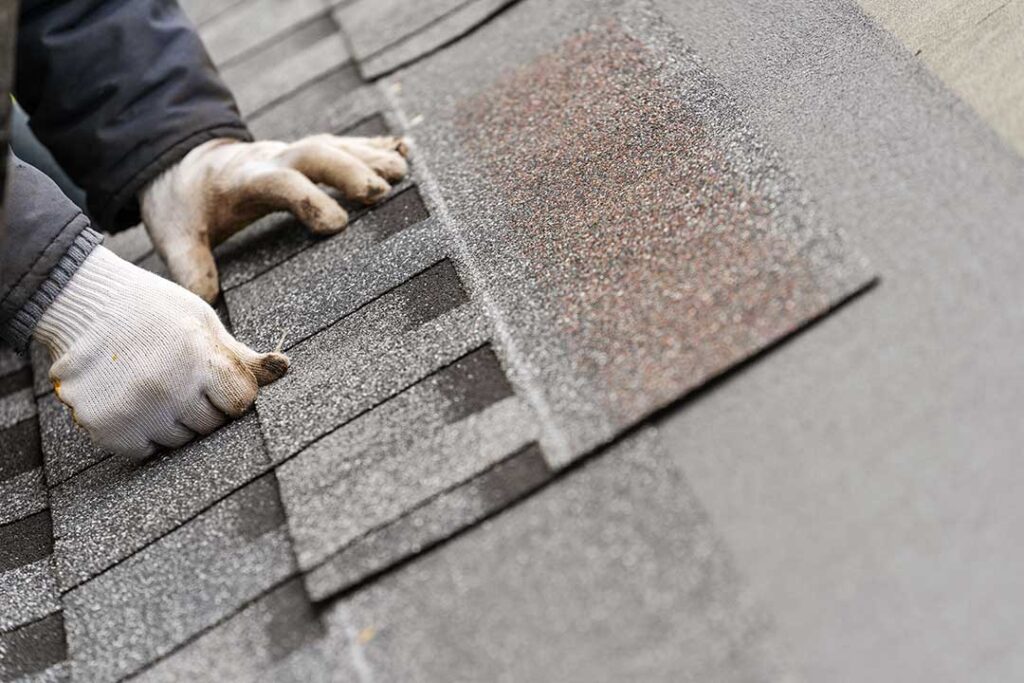
Usually, walking on a roof is not necessary and may cause falls, damaged shingles, or hidden leaks. Most roof edges can be reached from a properly positioned ladder, and many light clips are designed to attach to gutters, fascia, railings, or shingle edges without requiring anyone to step onto the roof.
Avoid walking on:
- Wet, frosty, icy, or snow-covered roofing
- Steep slopes
- Roofs with loose, curled, cracked, or brittle shingles
- Areas near skylights, vents, or weak-looking surfaces
- Roof sections that are difficult to reach without leaning or stretching
Asphalt shingles can lose protective granules when walked on, especially during cold weather. Repeated foot traffic may also loosen tabs or bend flashing around roof penetrations. A roof that appears solid from the ground may still have concealed damage or slippery algae, moss, frost, or moisture.
What should be checked before hanging lights?
Inspect the work area from the ground before setting up a ladder. Look for sagging gutters, loose fascia, exposed wiring, damaged shingles, overhanging branches, and ice buildup. If the roof edge already looks unstable, do not use it as an attachment point.
Check the lights and accessories as well. Do not use strings with:
- Cracked insulation
- Exposed copper wire
- Burn marks
- Broken sockets
- Missing bulbs that leave openings exposed to moisture
- Damaged plugs or loose connections
Use lighting and extension cords labeled for outdoor use. Indoor-only cords may not have adequate protection against moisture, temperature changes, or outdoor handling. Follow the manufacturer’s instructions for connecting strings, because connecting too many sets can overload a circuit or create excessive heat.
How should a ladder be positioned?
A ladder should stand on firm, level ground and extend above the roof edge when access near the edge is unavoidable. The setup must not rest on snow, ice, loose soil, or stacked objects used to gain extra height.
Before climbing:
- Keep the ladder away from overhead electrical lines.
- Face the ladder while climbing.
- Maintain three points of contact.
- Keep your belt buckle between the side rails.
- Do not stand on the top cap or the highest prohibited step.
- Have another adult stabilize the ladder when practical.
- Move the ladder instead of leaning sideways.
A ladder should never be placed on top of a roof, gutter, porch railing, vehicle, or other elevated surface. If the ground is sloped, icy, or obstructed, the safest choice is to postpone the work rather than improvise a support.
Wind also matters. Long light strings can act like sails, and a gust can shift a ladder or pull a person off balance. Avoid installation during strong wind, rain, freezing precipitation, or rapidly changing weather.
Which attachment methods protect the roof?
The preferred attachment method depends on the home’s design, but the general rule is to use light-duty clips that attach to existing edges rather than puncturing roofing materials.
Suitable attachment points may include:
- Gutter lips
- Fascia boards
- Eaves
- Railings
- Porch trim designed to support light decorations
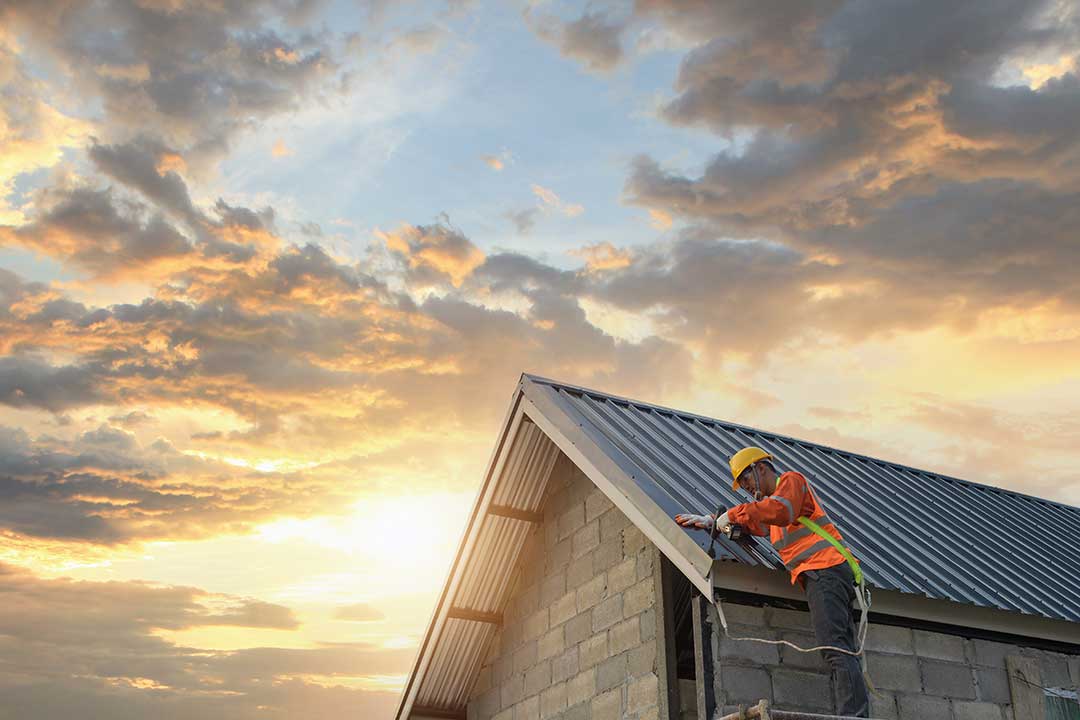
Use clips made for outdoor lighting and sized for the light cord. Do not staple or nail through the cord. Staples can pierce insulation and create an electrical hazard, while nails and screws can puncture shingles, underlayment, flashing, or trim.
Avoid attaching lights to loose gutters. Gutters are designed to carry water, not support a heavy or wind-loaded decoration. Pulling on the gutter can loosen hangers, distort its slope, or create a leak at a seam.
Adhesive hooks should be used cautiously. Cold temperatures, moisture, dust, and textured exterior surfaces can cause them to release unexpectedly. A falling light string may damage property or leave adhesive residue, and removing it aggressively can damage paint or siding.
How can lights be installed without stepping onto the roof?
Many roofline displays can be installed from a ladder while working in short sections. Place clips along the gutter or fascia, leave enough slack for natural movement, and avoid pulling the string tight.
For higher sections, a properly rated extension tool or light-hanging pole may reduce ladder use. These tools still require a clear work area and careful control. Do not use a pole near overhead wires, and do not operate it from an unstable ladder.
A ground-level design is often safer and easier to maintain. Lights can be placed along porch railings, fences, shrubs, window trim, or lower architectural features without requiring roof access. This also reduces the risk of ice or snow pulling on high-mounted decorations later in the season.
What electrical precautions should be followed?
Outdoor lighting should be connected to an outdoor-rated receptacle protected by ground-fault circuit interruption. GFCI protection is designed to shut off power when electricity begins traveling through an unintended path, such as moisture or a person.
Keep connections:
- Off the ground
- Away from puddles and areas where melting snow collects
- Protected from direct water entry
- Free from tight bends and crushing
- Accessible for inspection
Do not run cords through doors or windows if doing so pinches the cord or prevents the door from closing properly. Do not connect damaged cords with tape as a permanent repair. Avoid overloading a circuit, especially if other outdoor equipment is operating on the same circuit.
Turn lights off before going to bed or leaving the property unless the system is specifically designed for safe automatic operation. A timer can reduce the amount of time the lights are energized, but it does not correct damaged wiring, loose connections, or overloaded circuits.
What should Orchard Park residents do about snow and ice?
Snow and ice can add considerable weight to light strings and make roof edges difficult to inspect. After a storm, check from the ground for sagging cords, buried connections, fallen branches, and ice pulling against gutters or clips.
Do not climb onto an icy roof to adjust decorations. Avoid standing beneath heavy ice or snow that may slide from a roof edge. Snow removal tools can also damage shingles, flashing, gutters, or light cords if used carelessly.
If lights become trapped in ice, are pulled into a gutter, or are tangled around a branch, leave them in place until conditions improve. Removing them while frozen can tear insulation or pull on roof components.
When should roof light installation be stopped?
Stop immediately if the ladder shifts, the surface becomes wet or icy, the wind increases, visibility worsens, or the work requires stretching beyond a stable position. A person should also avoid roof-access work when taking medication or dealing with any condition that affects balance, strength, vision, or alertness.
Professional assistance is justified when the roof is steep, multiple stories high, structurally damaged, difficult to access, or surrounded by overhead electrical hazards. It is also the safer option when lights must be installed directly on a roof surface rather than along accessible edges.
A careful installation should leave the roof, gutters, siding, and electrical system in the same condition they were in before decorating. If that cannot be achieved without climbing, puncturing materials, or working in unsafe weather, a simpler ground-level display is the better choice.
