

What Recent Advancements Are Changing Residential Roofing?
Over the past decade, new technology has brought noticeable improvements to residential roofing. Today, local homeowners have more options for durability, efficiency, and weather resilience than ever before. While traditional asphalt shingles still cover most homes, new materials and smarter systems are taking hold in the city as residents seek longer-lasting roofs that can handle heavy snow, high winds, and seasonal shifts.
Which Roofing Materials Offer Better Longevity or Energy Benefits?
Some of the most significant changes involve materials with enhanced lifespans and energy-saving qualities. For example:
- Architectural asphalt shingles now use advanced adhesives and thicker layers to resist wind and extend wear, making them a common sight in local neighborhoods.
- Metal roofing—including steel and aluminum panels—has improved coatings that prevent rust and reflect solar heat. Metal roofs are gaining interest for longevity (often lasting 40+ years) and the way they shed snow in harsh winters.
- Synthetic roofs use engineered polymer blends that can mimic classic slate or shake looks but with less weight and increased impact resistance. Some synthetic materials are also recyclable.
Local residents often wonder if these options justify their higher upfront cost. For many households, the answer comes down to long-term savings on repairs, heating, and cooling due to better insulation or air flow.
How Have Roofing Systems Improved Weather Protection in Orchard Park?
Advances in installation techniques and system components mean newer roofs do more than just repel rain. Products like self-sealing underlayments and better ventilation systems work together to fight water intrusion and ice dams, frequent challenges during the city’s freeze-thaw cycles.
- Ice and water barriers—installed along eaves and valleys—provide crucial backup if snowmelt seeps beneath shingles.
- Advanced attic ventilation—using ridge vents, intake vents, or powered fans—prevents moisture buildup and helps reduce ice dams by keeping the roof deck cold.
Compared to older installations, these upgrades help protect homes more reliably through winter storms and rapid temperature swings.
Are There Technologies That Help Homeowners Monitor Roofing Condition?
Yes, smart technology is now being used to catch problems before they escalate. Homeowners can consider:
- Roof sensors that track temperature changes, humidity, and possible leaks. Some systems send alerts to a smartphone if unusual moisture is detected.
- Remote drone inspections allow a clear look at hard-to-reach areas of a roof after a storm, without walking on the surface.
While most local homes don’t have these monitoring tools yet, their growing use offers early warnings about leaks or damage from high winds or heavy snow, which Orchard Park occasionally experiences in winter and spring.
Can Modern Roofing Solutions Make Homes More Energy Efficient?
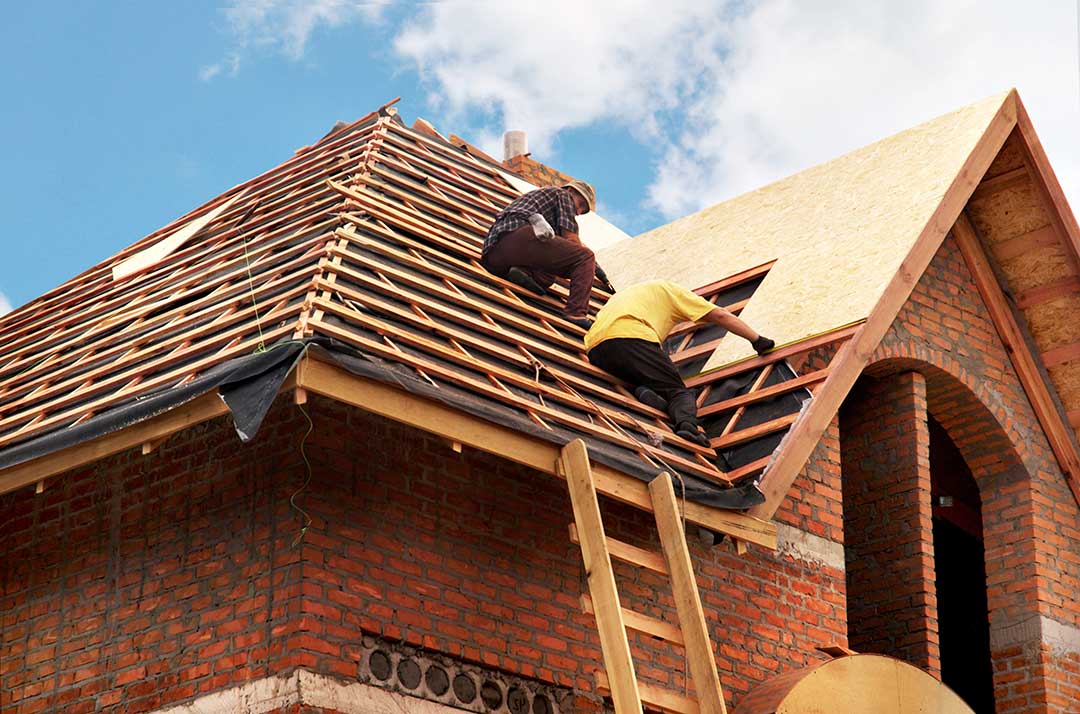
Upgraded roofing often plays a key role in energy conservation. Cool roof coatings and metal roofing with special pigments reflect sunlight, reducing heat absorption in the summer months. While that can mean lower air conditioning use, the greater efficiency for many Orchard Park households comes from better insulation and airtight installation, which holds in heat during cold seasons:
- Radiant barriers in attic spaces are becoming more common to bounce heat away in hot weather while preventing heat loss in winter.
- High-performance underlayments block air leaks more effectively than older felt layers, maintaining a consistent indoor temperature.
Some residents have also explored solar shingles, which function as both roof covering and electricity generator, but adoption is still limited due to cost and the region’s weather variability.
What Common Misconceptions Do Residents Have About Roofing Upgrades?
Homeowners occasionally assume that all roofing innovations are only suitable for luxury homes or new builds. In reality, many of these advancements are compatible with existing structures. For example, synthetic shingles can sometimes be installed over an older roof, and upgraded venting can be retrofitted without major demolition.
Another misconception is that newer roofing materials are automatically maintenance-free. While modern roofs are built to resist damage longer, regular inspections (especially after storms or severe winter weather) remain critical for longevity.
How Do Improved Roofing Materials Impact Local Resale Value?
While roof upgrades are rarely the only factor in a home's market value, a documented, recently improved roof can appeal to buyers in Orchard Park. Energy efficiency, modern aesthetics, and reduced likelihood of future repairs help a property stand out—especially when many homes in the city were built decades ago.
What Should Residents Know About Regulatory and Environmental Factors?
Orchard Park has building codes that align with broader New York State guidelines for weather resistance and fire safety. Any material or technology selected for a home must meet these codes, particularly when it comes to structural support and wind uplift standards. Additionally, environmentally conscious residents may seek materials with recycled content or systems that reduce landfill waste, as manufacturing and disposal practices continue to evolve.
Modern roofing innovations support both practical needs and longer-term environmental considerations, giving homeowners more choices to fit their unique circumstances.
