
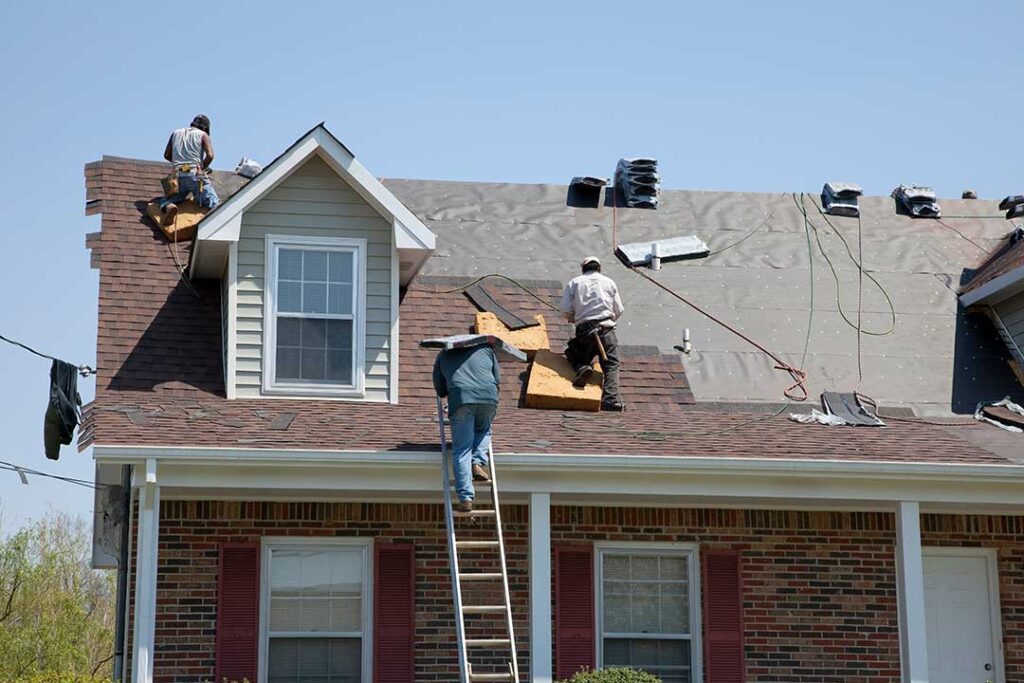
Which roofing material is better for a home in Orchard Park?
Neither asphalt shingles nor metal roofing is universally better. The right choice depends on the home’s structure, roof design, budget, expected service life, appearance, and willingness to plan for maintenance over time.
In Orchard Park, roofs must handle more than ordinary rainfall. Snow, ice, wind, repeated freeze-thaw cycles, spring moisture, and occasional heavy storms all affect roofing performance. Both materials can work well in this setting when properly selected, installed, ventilated, and maintained.
How do asphalt shingles and metal roofing differ?
Asphalt shingles are layered roofing products made from a fiberglass base coated with asphalt and mineral granules. They are available in several profiles and colors and are used on a large share of residential homes.
Metal roofing is made from formed panels or metal shingles. Common systems use coated steel or aluminum, with finishes designed to resist corrosion and weathering. Metal roofs may be installed as exposed-fastener panels, concealed-fastener standing-seam systems, or metal shingles that resemble other roofing materials.
The main difference is how each material balances initial cost, expected service life, weight, appearance, maintenance, and repair methods.
Which roof lasts longer?
Metal roofing generally has the longer potential service life. Depending on the material, finish, roof design, installation quality, and maintenance, a properly installed metal roof may remain serviceable for several decades.
Architectural asphalt shingles commonly have a shorter service life, often measured in multiple decades rather than a half-century or more. Actual performance varies considerably. Poor attic ventilation, heavy shade, algae growth, wind exposure, repeated ice buildup, and installation problems can shorten the life of any shingle roof.
A longer rated life does not automatically make metal the better choice. A metal roof can still develop problems around chimneys, skylights, valleys, fasteners, or penetrations. Asphalt shingles may be easier and less costly to repair when localized damage occurs.
How do they perform in snow, ice, and wind?
Both materials can be suitable for winter conditions, but they behave differently.
Metal panels shed snow more readily, especially on steeper roofs. That can reduce prolonged snow loading on the roof surface, but sliding snow can create a hazard above entrances, walkways, decks, vehicles, and lower roof sections. Snow guards or other design measures may be needed where sliding snow could cause damage or injury.
Asphalt shingles hold snow in place more effectively because of their textured surface. This can be useful over walkways and entrances, but accumulated snow adds weight and may contribute to ice-dam conditions if the roof and attic are not properly designed.
Wind performance depends heavily on fastening, edge details, roof geometry, and installation quality. Asphalt shingles can lose tabs or sections in strong winds if they are aged, improperly sealed, or poorly fastened. Metal panels can resist wind well, but loose fasteners, inadequate clips, damaged seams, or improperly secured trim can create their own problems.
Which material handles freeze-thaw cycles better?
Metal does not absorb water in the same way some roofing materials do, so it is not affected by moisture absorption and drying cycles like porous products. However, metal expands and contracts as temperatures change. A properly designed system allows for that movement through appropriate fasteners, seams, clips, and flashing.
Asphalt shingles remain flexible enough to perform through normal seasonal temperature changes, but they can become brittle with age and cold weather. Repeated freezing and thawing may worsen existing cracks, lifted edges, exposed fasteners, or damaged flashing.
For either material, the details around valleys, roof edges, chimneys, plumbing vents, and wall intersections often matter more than the surface material alone.
Is metal roofing louder during rain?
Metal roofing can sound louder during heavy rain or hail, particularly when installed over an open structure with little insulation or underlayment. On a typical insulated home, roof decking, underlayment, attic insulation, and interior ceilings reduce much of that sound.
Asphalt shingles usually produce less noticeable rain noise because their textured surface and layered construction dampen sound. Homeowners who are sensitive to sound should ask how the metal system will be installed, rather than assuming every metal roof will sound the same.
Which option costs more?
Metal roofing usually has a higher initial cost than asphalt shingles. The difference reflects the material, specialized trim and flashing, installation methods, roof complexity, and the need to coordinate expansion and contraction.
Asphalt shingles generally offer a lower initial price and a familiar installation process. That can make them practical for homeowners who are managing a limited budget, preparing to sell, or replacing only one roof section.
Long-term cost is more complicated. Metal may require fewer full replacements over the life of the home, while asphalt roofing may be less expensive to repair or replace at each individual project. Comparing only the first installation price does not show the complete financial picture.
Is metal roofing too heavy for an older home?
Usually, metal roofing is relatively lightweight, but the roof structure still needs to be evaluated. The weight of the roofing material is only one part of the structural load. Snow, ice, sheathing, insulation, framing, and previous roofing layers also contribute.
Older homes may have uneven roof planes, multiple additions, aging sheathing, or framing changes that are not obvious from the ground. A roof replacement is an opportunity to identify sagging, moisture damage, or inadequate ventilation before new materials are installed.
Are metal roofs more likely to attract lightning?
A metal roof does not automatically make a house more likely to be struck by lightning. Metal is conductive, but it is not inherently a lightning magnet. A lightning strike is influenced by location, height, weather, and surrounding conditions.
If lightning strikes a metal roof, the material can conduct electricity, but the roof itself is not a fuel source. Fire risk depends on the entire building system, including wiring, insulation, framing, and nearby combustible materials.
Which roof is easier to repair?
Asphalt shingle repairs are often more straightforward because individual shingles can be replaced with compatible materials. Matching can become difficult if the existing roof has faded or if the original product is no longer available.
Metal repairs depend on the system. A concealed-fastener roof, standing-seam roof, and exposed-fastener panel roof each require different repair methods. Small issues such as failed sealants, loose trim, or damaged fasteners should not be ignored because water can enter through joints even when the main panels appear intact.
Repairs should be performed carefully on either roof. Walking on metal panels can dent or deform them, while walking on brittle or aged shingles can cause additional granule loss or cracking.
How do appearance and neighborhood character affect the decision?
Asphalt shingles offer a traditional residential appearance and are available in many colors and textures. They can blend with older homes, newer construction, detached garages, and additions.
Metal roofing can have a clean, modern appearance, but it is also available in designs that resemble shingles or other traditional roofing styles. Color selection matters because dark surfaces may absorb more solar heat, while lighter finishes can reflect more sunlight. The surrounding rooflines, siding, trim, and visibility from the street may influence which appearance feels appropriate.
What should homeowners compare before choosing?
A useful comparison should include more than material samples. Consider:
- Expected service life and warranty limitations
- Snow-shedding behavior and the location of entrances or walkways
- Roof pitch, valleys, dormers, skylights, and other complex details
- Attic ventilation and insulation conditions
- Existing roof decking and signs of moisture damage
- Ease of matching future repairs
- Initial cost versus long-term replacement cycles
- Noise sensitivity and interior comfort
- Local requirements that may apply to roof work
For many households, asphalt shingles remain a practical and economical choice. Metal roofing may be attractive for owners who prioritize longevity, snow shedding, and reduced frequency of full roof replacement. The quality of the roof design and installation is often as important as the material selected.
