
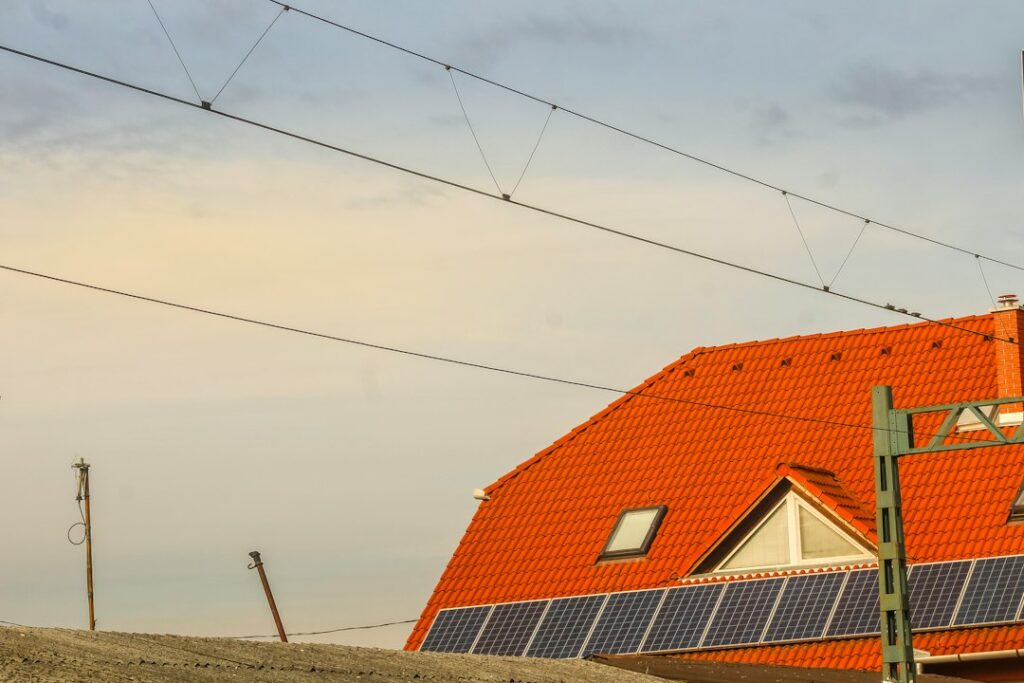
Solar panels can be a practical addition to a home, but the roof beneath them needs careful evaluation first. The age of the roof, structural capacity, snow exposure, drainage, wiring routes, and local permit requirements all affect whether a rooftop system is suitable.
Is the roof ready for solar panels?
A roof should generally have several years of useful service remaining before panels are installed. Solar equipment is designed to stay in place for decades, while most asphalt shingle roofs have a shorter service life. If the roof needs replacement soon, installing panels first can create extra work because the system may need to be removed and reinstalled.
A roof evaluation should consider:
- The approximate age and remaining life of the roofing material
- Curling, cracking, blistering, exposed fasteners, or missing shingles
- Soft areas or movement in the roof deck
- Evidence of leaks around vents, chimneys, skylights, and valleys
- Sagging rafters or trusses
- Previous repairs that may affect attachment points
- Whether the roof has enough unobstructed space
A roof does not need to be new to support solar panels, but it should be in sound condition. A small leak that seems manageable before installation can become more difficult to locate once portions of the roof are covered.
How do Orchard Park weather conditions affect rooftop solar?
Snow, ice, wind, and repeated freeze-thaw cycles should be included in the design. Solar panels are tested for outdoor conditions, but the roof attachments and framing must still be designed for the combined weight of the system and local environmental loads.
Snow does not usually need to be cleared from a properly designed rooftop system. Panels are typically mounted at an angle, and sunlight can warm their surface enough for snow to slide or melt. However, snow can remain on panels for a period of time, particularly after cloudy winter weather. People should never climb onto a roof or attempt to scrape panels from the ground with improvised tools.
Ice dams are a separate concern. They form when heat escapes into a roof and melts snow unevenly, allowing water to refreeze near the eaves. Solar panels do not automatically cause ice dams, but they can make roof edges, flashing, and drainage areas harder to inspect. Adequate attic insulation, air sealing, ventilation, and properly installed roof flashing remain important.
Strong wind also places stress on the mounting system. Attachments should connect to structural framing rather than relying only on roof sheathing or roofing material. The system should be designed so that wind forces are transferred safely into the roof structure.
Can solar panels be installed on an older roof?
Sometimes, but age alone is not the deciding factor. An older roof in good condition may be suitable, while a newer roof with poor installation or concealed damage may not be.
For an aging asphalt shingle roof, the practical question is whether the roof is likely to remain dependable for the expected service life of the solar equipment. Installing panels over shingles that are already near the end of their life can lead to future removal costs and disruption.
Older homes may also have roof framing, electrical systems, or previous alterations that require closer review. Homes with additions, enclosed porches, converted attic spaces, or multiple roof surfaces may not have uniform construction throughout the building.
Where should panels be placed?
The most productive roof area is not always the largest roof area. Solar design must balance sunlight, roof orientation, slope, shading, access, and maintenance.
Obstructions that may affect panel placement include:
- Chimneys and plumbing vents
- Dormers and skylights
- Tall trees
- Neighboring structures
- Roof valleys and narrow sections
- Areas needed for safe roof access
- Snow-shedding paths near entrances or walkways
Trees can create seasonal shading even when a roof appears sunny in summer. Winter sun sits lower in the sky, and leafless branches may still cast shadows. A roof layout should account for changes throughout the day and across the year.
Panels should also be positioned so that water can continue to drain properly. Installations should not block gutters, concentrate runoff in one location, or create a path where sliding snow could damage lower roofs, vehicles, or pedestrian areas.
How are solar panels attached without causing leaks?
Most rooftop systems use mounting hardware secured through the roofing material and into structural framing. The attachment points must be properly located, sealed, and flashed. Sealant alone should not be treated as the primary defense against water intrusion.
The quality of the roof penetration matters as much as the panel itself. Poorly placed fasteners, damaged shingles, inadequate flashing, or incompatible materials can create leaks that may not appear until months later.
Homeowners should retain records showing where mounting points, wiring routes, and roof penetrations are located. Those records can be useful during future roof repairs, inspections, or troubleshooting.
Do solar panels require permits in Orchard Park?
Yes, rooftop solar work generally requires approval before construction begins. Orchard Park requires building permits for work covered by the New York State Uniform Code and Energy Code, and solar installations involve structural, electrical, and fire-safety considerations.
The permit process may require documents such as:

- A roof plan showing panel locations
- Structural information or an engineering analysis
- Electrical diagrams
- Equipment specifications
- Attachment details
- Roof access and fire-safety information
- Site or property information
Requirements can differ depending on whether a property is within the town or village portions of Orchard Park and whether the project involves roof-mounted or ground-mounted equipment. Permit rules and application procedures can change, so the local building department is the appropriate place to verify current requirements before work begins.
A permit is not merely paperwork. It creates a record that the system was reviewed for structural attachment, electrical safety, roof access, and other code concerns.
Will solar panels make roof maintenance harder?
They can make some maintenance tasks less convenient, but a well-planned system should still allow the roof and drainage components to be monitored. Gutters, flashing, vents, and roof edges remain important even when most attention is focused on the panels.
After major windstorms or heavy winter weather, visual checks from the ground may reveal shifted panels, loose trim, damaged wiring, or debris. A roof should not be accessed casually, especially when snow, ice, or wet surfaces are present.
It is also useful to keep the panel layout, electrical shutoff locations, installation documents, and warranty information together. If a roof leak develops, the location of panels and attachments can help narrow the inspection area.
What should be checked before signing an installation agreement?
The roof and solar system should be treated as one coordinated project. Questions worth asking include:
- What is the documented condition and expected remaining life of the roof?
- Will any roof repairs or replacement be completed before panel installation?
- How will mounting points be attached and flashed?
- How will snow, wind, and roof drainage be addressed?
- Which permits and inspections are required?
- Will access pathways and required clearances be maintained?
- Who is responsible for correcting a roof leak related to the installation?
- What happens if panels must be removed for future roofing work?
- How will wiring be protected from weather, animals, and physical damage?
The most reliable planning approach is to evaluate the roof first, then design the solar layout around the roof’s actual condition and structure. For homes in a snowy, freeze-thaw climate, that sequence can prevent avoidable leaks, premature roof work, and difficult maintenance later.
